Early orthodontic treatment for children is an important measure for recognising and treating potential orthodontic problems in good time. As a rule, this type of treatment begins as early as the milk tooth age, often between the ages of 6 and 9.
Symptoms and causes of misalignments
Early treatment is advisable if the following symptoms or problems occur:
Early loss of milk teeth: If milk teeth are lost early, this can lead to a lack of space for the permanent teeth.
Difficulty chewing or speaking: Problems with chewing, swallowing or speaking can indicate a misalignment of the jaw or teeth or cause a misalignment.
Thumb sucking or sucking on a dummy: these habits can lead to misaligned teeth, which can be corrected by removing them or by early treatment.
Noticeable deviations in the bite: a severe overbite, an inverted overbite or crossbite (front or side) can be recognised and treated at an early stage.
Visible misaligned teeth: If the permanent teeth are already visibly misaligned, early treatment is advisable.
How does early paediatric treatment work?
Early paediatric orthodontic treatment can include various methods and instruments, depending on the nature of the problem. The most common treatment methods are
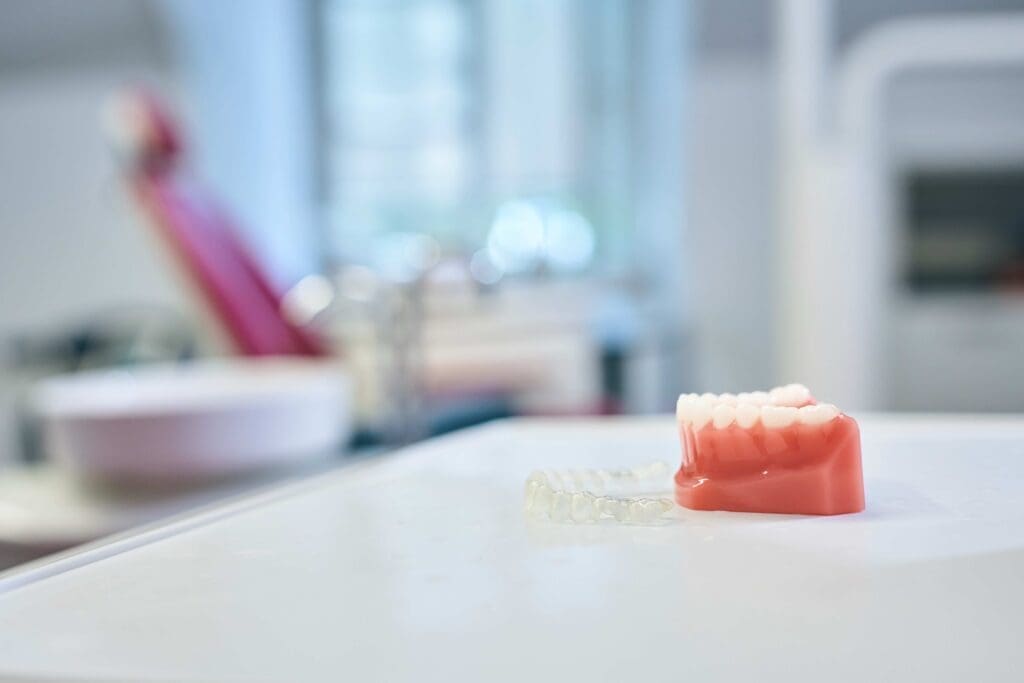
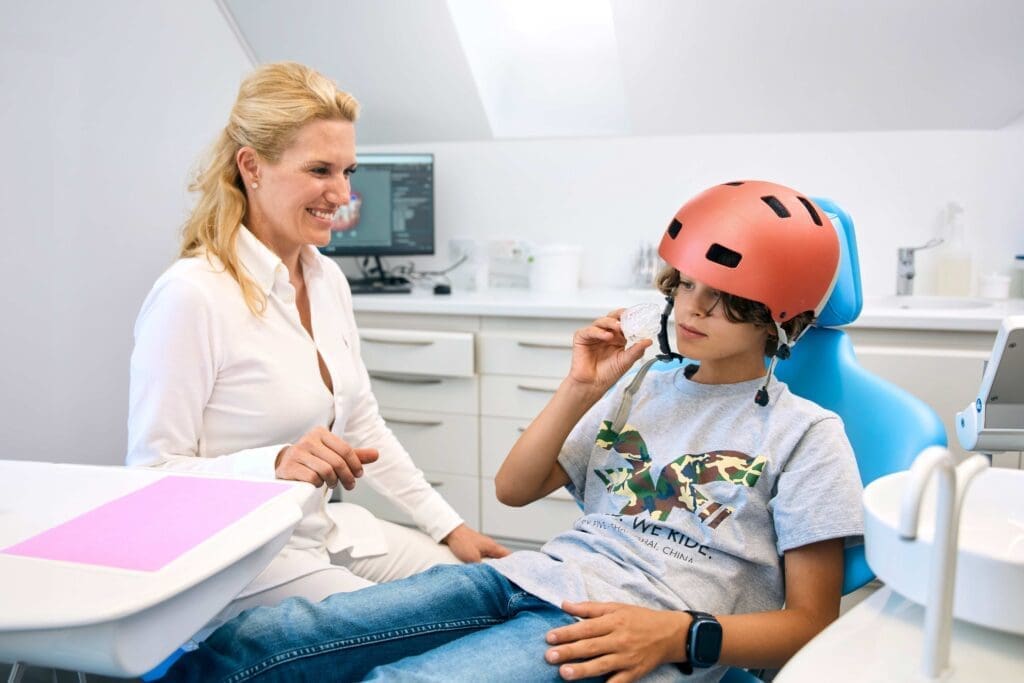
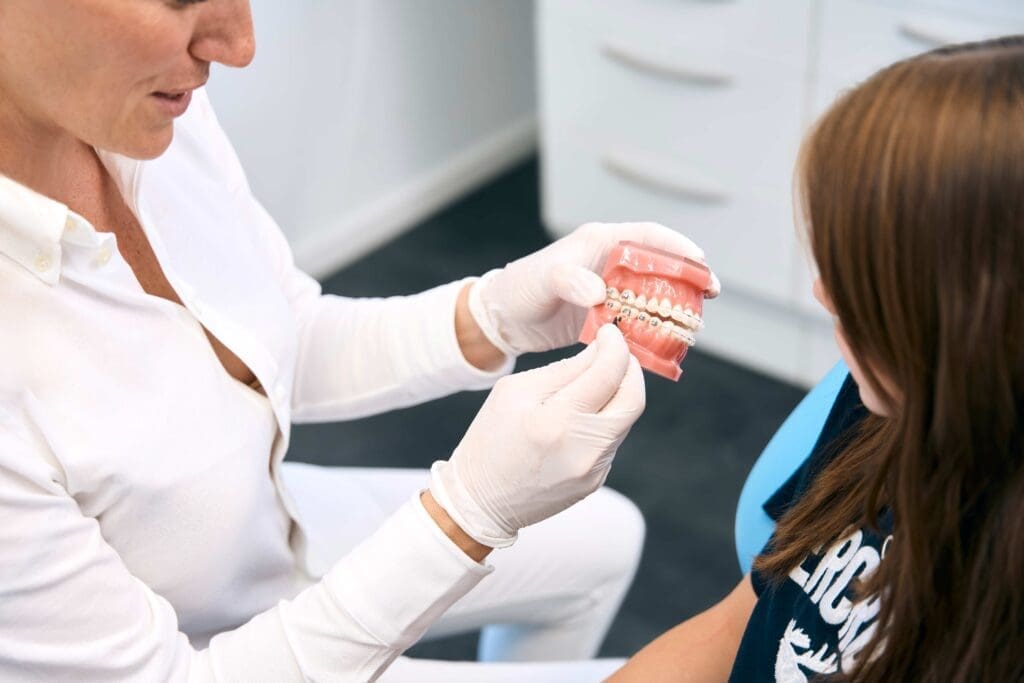
Active plates: Active plates are removable braces/devices that can help to create space in the jaws and guide the teeth into the correct position.
Functional orthodontics: For certain bite problems, functional orthodontic appliances such as activators or bionators can be used to correct the bite.
Soother weaning: If the child uses a soother and develops malpositions as a result, soother weaning and, if necessary, treatment with a special soother can be carried out.
Oral vestibular plate for infants: The oral vestibular plate, also known as an oral vestibular dummy or oral vestibular bite appliance, is an orthodontic appliance that was specially developed for infants. It is used to treat or prevent certain dental and jaw problems. The oral vestibule plate is a removable device made of plastic that is worn in the child’s mouth.
Braces: In some cases, early treatment with loose or fixed braces may be necessary to correct more difficult malocclusions.
The exact procedure depends on the individual needs and problems of the child and is determined in close consultation with the parents and the orthodontist.
What is the aim of the treatment and what are the chances of success?
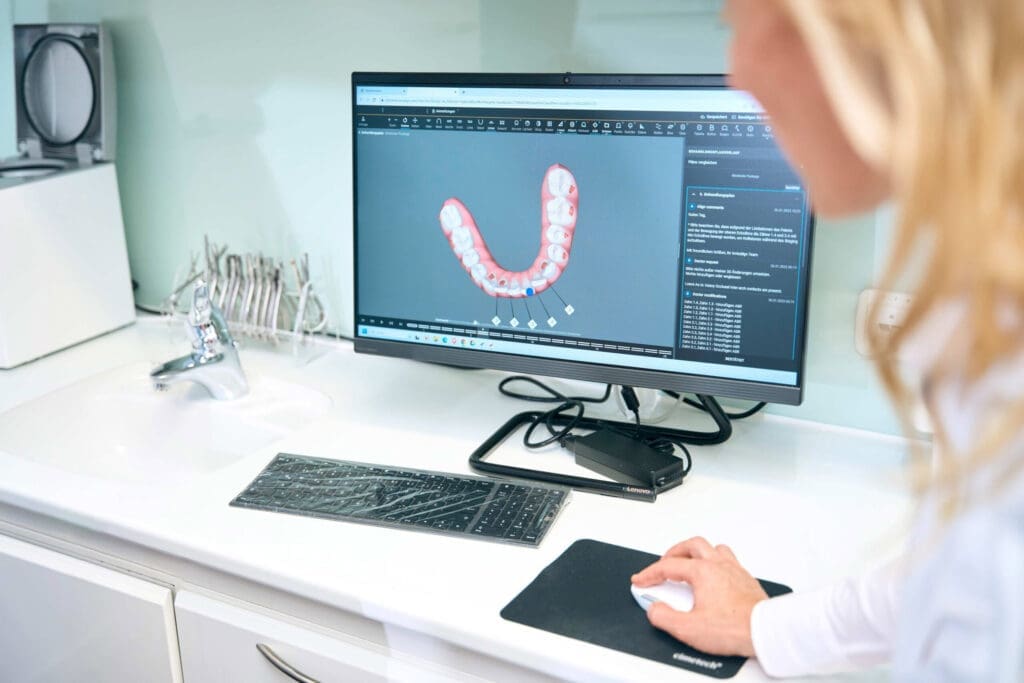
Early paediatric treatment is important because it helps to identify and treat dental and jaw problems at a young age before they worsen and become more serious. The aim of this treatment is to promote healthy bite function and a natural smile. Early intervention can often prevent lengthy and complicated treatments in the future.
The chances of success for early paediatric treatment are generally very good, as the growth of the jaw and facial bones is still flexible at a young age. The earlier a problem is recognised and treated, the better the results. However, it is important that parents and children work closely with the orthodontist to successfully implement the treatment plan.
At our orthodontic practice, we specialise in identifying the individual needs of each child and developing customised treatment plans. We emphasise the early prevention and correction of dental and jaw problems to ensure that your children keep a healthy smile for life.